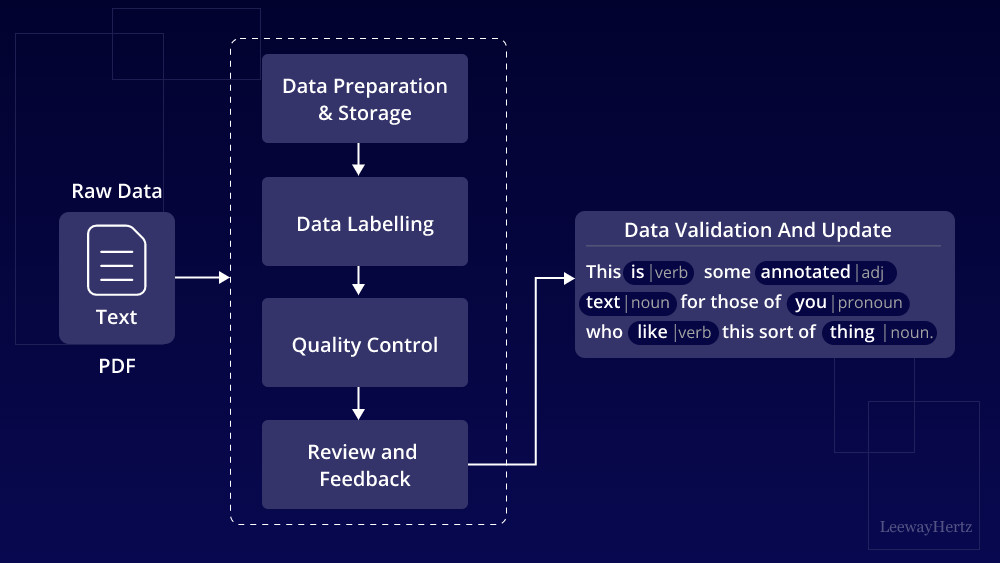

Data Annotation Tools: Fueling the Intelligence Behind Artificial Intelligence
In the era of artificial intelligence and machine learning, data is the new oil—but this “oil” must first be refined before it becomes truly valuable. That refinement process occurs through data annotation, the meticulous task of labeling, tagging, or categorizing raw data so machines can learn to recognize patterns, make predictions, and automate decisions. Data annotation tools are the engines that make this possible: specialized platforms that empower humans and AI to work together in transforming unstructured data into meaningful insights.
Source - https://www.marketresearchfutu....re.com/reports/data-
At their core, data annotation tools are software applications designed to label data in various formats—text, images, audio, and video—so that algorithms can understand it. For example, in image recognition projects, annotators draw bounding boxes around objects like cars, animals, or people. In natural language processing (NLP), text annotation tools tag entities such as names, dates, or emotions. For speech recognition, audio annotation involves transcribing words or identifying tone and language features. Each annotation adds a training signal that guides a model toward intelligent interpretation.
Modern annotation tools offer far more than simple labeling—they integrate automation, quality control, and collaboration. Many platforms now include AI assisted pre labeling, where algorithms make initial predictions that human annotators verify. This combination of automation and human oversight drastically improves both speed and accuracy. Tools such as Labelbox, Scale AI, Amazon SageMaker Ground Truth, and Supervisely allow teams to handle massive datasets efficiently while maintaining consistency across contributors.